Essential Gear for Wilderness Survival: Pack Smart, Move Confidently

Chosen theme: Essential Gear for Wilderness Survival. Step onto the trail with clarity, resilience, and a kit you trust. Today we explore the tools that keep you dry, hydrated, oriented, and calm when the weather turns or plans change. Share your hard-won lessons and subscribe for future deep dives and printable checklists.

Shelter and Warmth: Your First Line of Defense

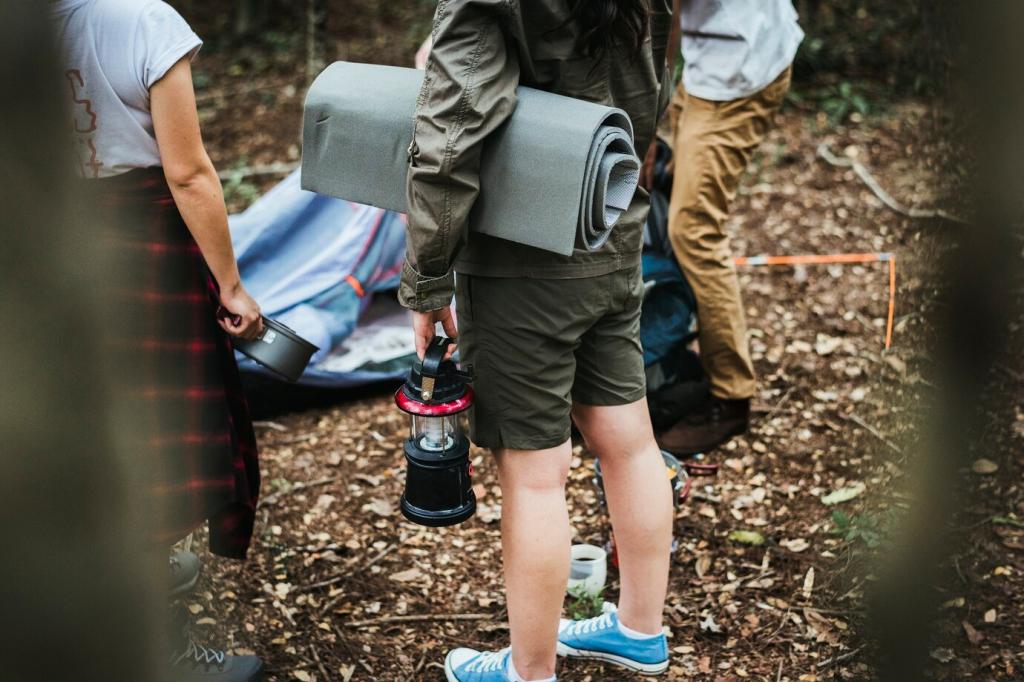
A tarp, a freestanding tent, or a bivy can each be your lifeline when storms slam ridgelines. I once waited out a mountain squall under a silnylon tarp, grateful for guylines and well-placed stakes. Practice pitches in your yard, then tell us your favorite configuration and why it earned your trust.

Shelter and Warmth: Your First Line of Defense

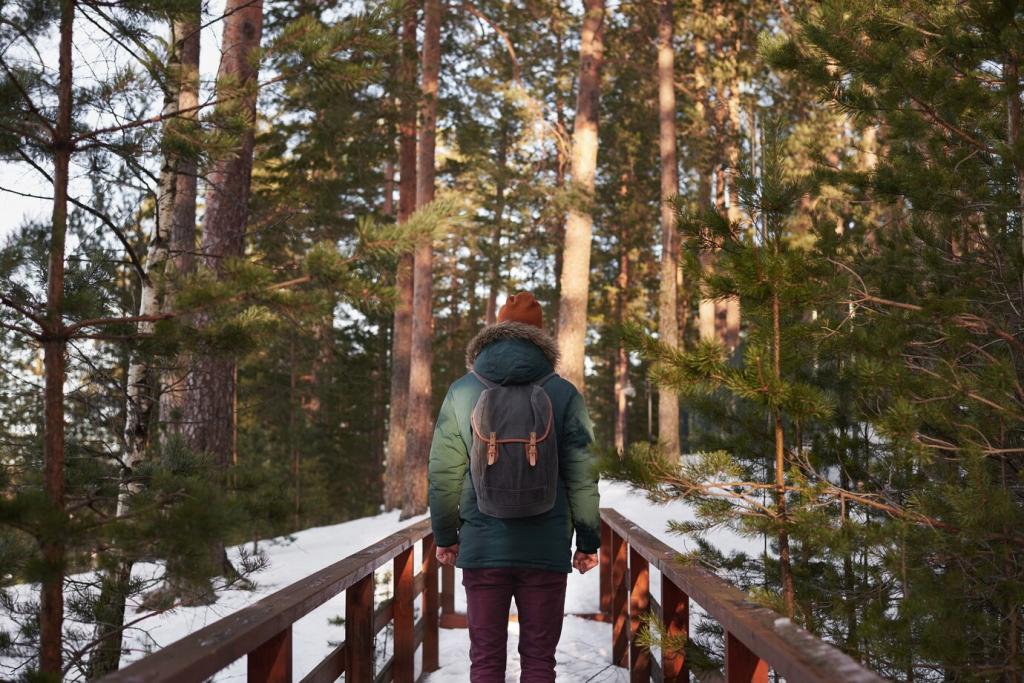
Start with a moisture-wicking base, add a warm mid-layer, and seal it with a breathable shell. Avoid cotton; embrace wool or synthetics. A compact puffy saved me on a frost-bitten dawn when my hands shook making coffee. Audit your layers today, and share what you’d add or replace before your next trip.

This is the heading

Lorem ipsum dolor sit amet, consectetur adipiscing elit. Ut elit tellus, luctus nec ullamcorper mattis, pulvinar dapibus leo.

This is the heading

Lorem ipsum dolor sit amet, consectetur adipiscing elit. Ut elit tellus, luctus nec ullamcorper mattis, pulvinar dapibus leo.

Map and Compass Mastery

Know your declination, orient the map, follow a bearing, and use back bearings to retrace steps when fog swallows landmarks. Keep the map in a waterproof sleeve and set a pace count. Practice this weekend and tell us how you did—bonus points for joining a local orienteering meetup.

GPS, PLBs, and Satellite Communicators

A GPS app is powerful, but batteries fade in cold. Use airplane mode, carry a spare power bank, and mark critical waypoints. A PLB or satellite communicator is for genuine emergencies and thoughtful check-ins. What’s your battery plan on multi-day routes? Share tips that kept your screen alive at dawn.

First Aid and Emergency Preparedness

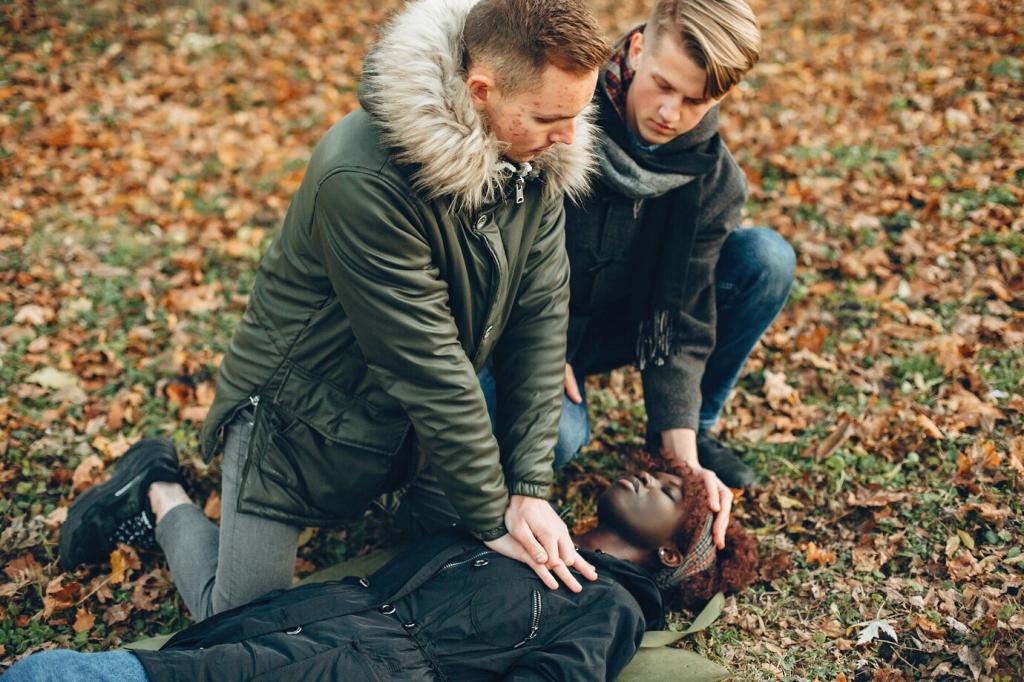
Stock trauma bandages, gauze, blister care, a tourniquet you’ve trained with, antihistamines, and pain meds. Custom-tailor for your allergies and terrain. Check expiration dates quarterly. What’s in your kit that most hikers forget? Share your unsung hero item and the training that made you pack it.

First Aid and Emergency Preparedness

Good judgment reduces rescue stories. Check weather, avalanche bulletins, fire closures, and your route’s real elevation gain. Create a communication plan and a bailout option. Leave No Trace keeps places wild and you safer. Post your pre-trip checklist and inspire someone to tighten their preparation today.

Cutting Tools and Field Repairs

A small full-tang fixed blade—around four inches—handles food, feather sticks, and light prying better than many folders. Keep it sharp, dry, and legal where you roam. What blade earned a permanent spot in your kit, and why? Recommend models and maintenance routines others can adopt today.

Cutting Tools and Field Repairs

A folding saw pairs beautifully with 550 paracord or tarred bankline, letting you build tidy shelters without exhausting baton work. Once, a clean-cut ridge pole spared our tarp during a storm-swollen creek camp. Try a new lash tonight and share the knot that holds best for you.

Food, Fuel, and Cooking Systems

Canister stoves are fast; liquid fuel thrives in cold; alcohol is quiet and simple; solid fuel is emergency-friendly. Add a windscreen and stable base. Test boil times at altitude before committing. What stove do you reach for in shoulder season? Share your setup and cold-weather hacks.

Backpack Fit and Load Distribution

Dial in torso length, set a snug hipbelt, and stack dense items close to your spine and between shoulders. Keep frequently used gear near the top. Most hikers feel best under thirty percent of body weight. Measure your fit tonight and share what adjustments made the biggest difference for you.

Smart Organization and Quick-Access Pouches

Color-code dry bags, label first aid, and stash your knife, headlamp, and fire kit where you can reach them without unpacking. Practice setting camp in the dark for confidence. A sudden squall tested our system; muscle memory won. Time your own repack and post your best organization trick.

Redundancy Without Overpacking

Duplicate life-critical items—fire, water treatment, navigation—yet track total “skin-out” weight so bloat never sneaks in. Keep a simple gear log noting what you actually used. Subscribe for next week’s printable audit template, and tell us one item you’ll remove after your last trip’s honest review.
Selinavaxo
Privacy Overview

This website uses cookies so that we can provide you with the best user experience possible. Cookie information is stored in your browser and performs functions such as recognising you when you return to our website and helping our team to understand which sections of the website you find most interesting and useful.