
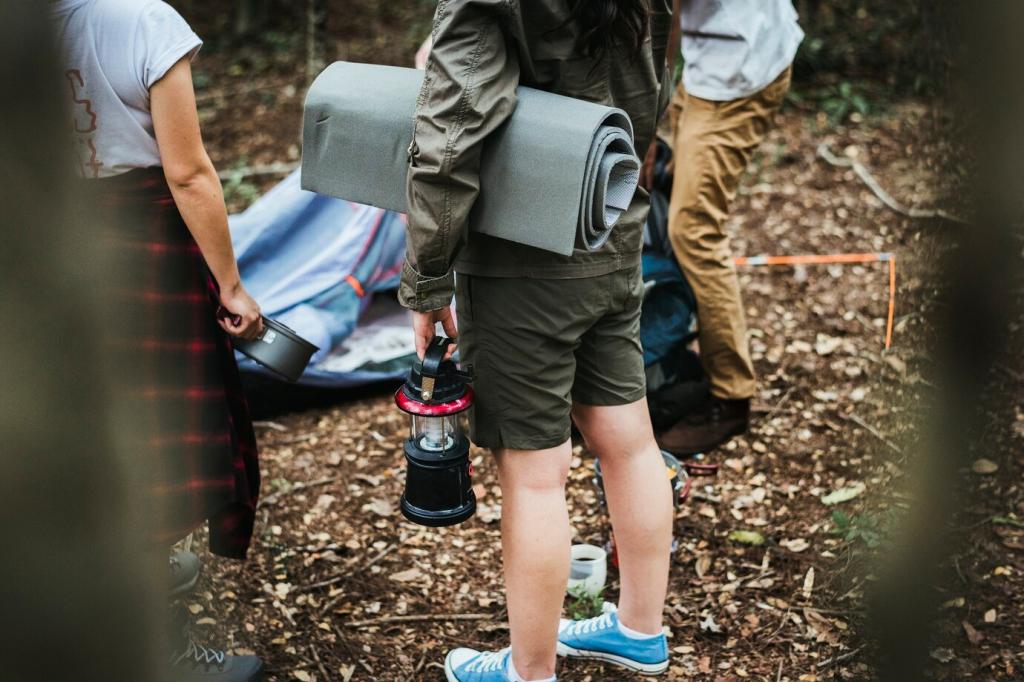
First Aid for Outdoor Emergencies: Be Ready When Nature Tests You

Selected theme: First Aid for Outdoor Emergencies. Whether you’re hiking, paddling, climbing, or camping, swift, calm action saves lives. Learn skills, pack smart, and join our community—comment with your experiences and subscribe for more trail-tested guides.

Your Outdoor First Aid Kit, Demystified

The Essentials You Must Pack

Carry gloves, gauze, compressed dressings, adhesive tape, a triangular bandage, blister care, tweezers, antiseptic, pain relief, antihistamines, and an elastic wrap. Add a tourniquet and CPR mask for higher-risk adventures.

Lightweight Add-ons That Save the Day

A SAM splint, irrigation syringe, safety pins, zinc oxide tape, and a few oral rehydration salts weigh little but solve big problems. A small notebook, pencil, and sharpie help you track vitals and treatment times.

Maintenance Ritual: Rotate, Refill, Record

Set a calendar reminder to restock before each season. Replace expired meds, re-roll tape, dry damp items, and note what you used on trips. Consistent maintenance keeps your kit trustworthy when minutes matter.

Bleeding, Burns, and Blisters: Practical Care in the Wild

Apply firm, direct pressure with gauze. If bleeding soaks through, add layers; do not remove the first pad. For severe limb bleeding, use a tourniquet high and tight, note the time, and continue monitoring distal pulses.

Bleeding, Burns, and Blisters: Practical Care in the Wild

Cool thermal burns with clean, cool (not icy) water for several minutes. Cover loosely with sterile, non-adhesive dressings. Avoid popping blisters. Watch for pain escalation, redness streaking, or fever, and prioritize hydration and gentle movement.
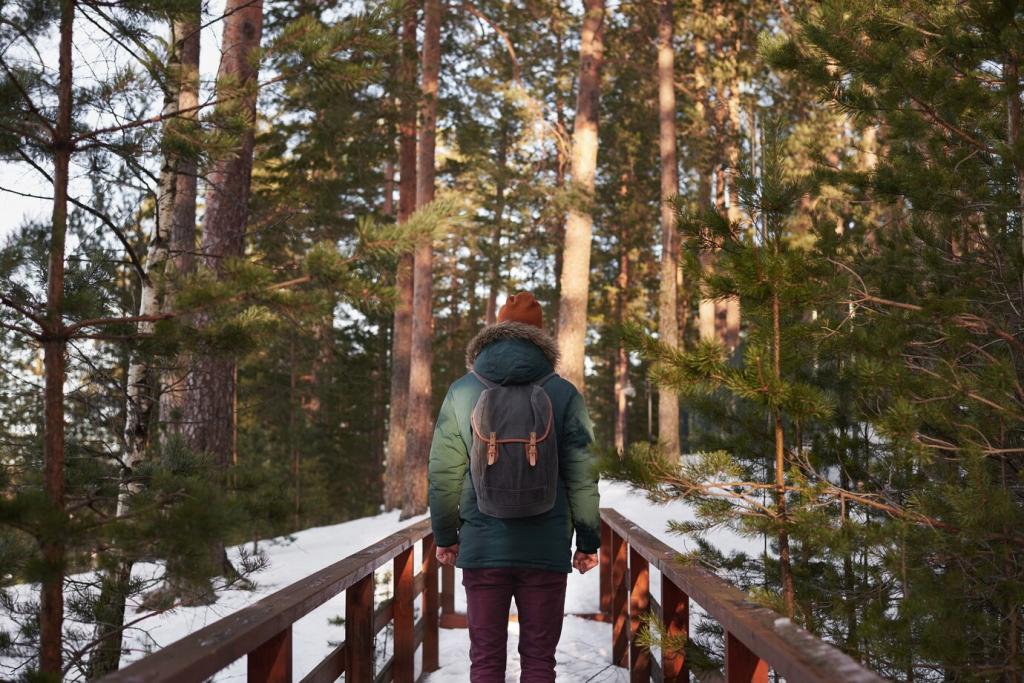
Heat, Cold, and Altitude: Environmental Threats

Look for shivering, slurred speech, clumsiness, and apathy. Remove wet clothing, insulate above and below, add wind protection, and provide warm, sweet drinks if alert. Handle gently, and avoid aggressive movements that can trigger dangerous heart rhythms.

Bones and Soft Tissue: Sprains, Fractures, and Splinting

Modern care prioritizes Protection, Elevation, Avoid anti-inflammatories early, Compression, and Education—then Load, Optimism, Vascularization, and Exercise as healing progresses. In the field, protect and compress, monitor circulation, and plan gradual, supported movement.

Bones and Soft Tissue: Sprains, Fractures, and Splinting

Use trekking poles, foam pads, or a SAM splint with bandages or cloth strips. Immobilize joints above and below the injury. Check circulation, sensation, and movement before and after splinting, and adjust if numbness develops.
Signaling Methods: Whistles, Mirrors, and Radios
Use the international distress signal—three blasts. A signal mirror reaches astonishing distances on sunny days. Carry a charged phone, battery pack, and, when remote, a satellite messenger or radio, preprogrammed with emergency contacts and critical channels.
Stay or Go: Making the Tough Call
Base decisions on patient stability, weather, daylight, terrain, and group resources. Mark your location, leave a note if moving, and set turnaround times. A short, controlled retreat often beats a risky push deeper into uncertainty.
Document and Debrief to Learn Faster
Record vitals, treatments, and times. After the incident, debrief what worked, what failed, and what to change in your kit or training. Share your insights with our readers so others can benefit from your experience.
Selinavaxo
Privacy Overview

This website uses cookies so that we can provide you with the best user experience possible. Cookie information is stored in your browser and performs functions such as recognising you when you return to our website and helping our team to understand which sections of the website you find most interesting and useful.