
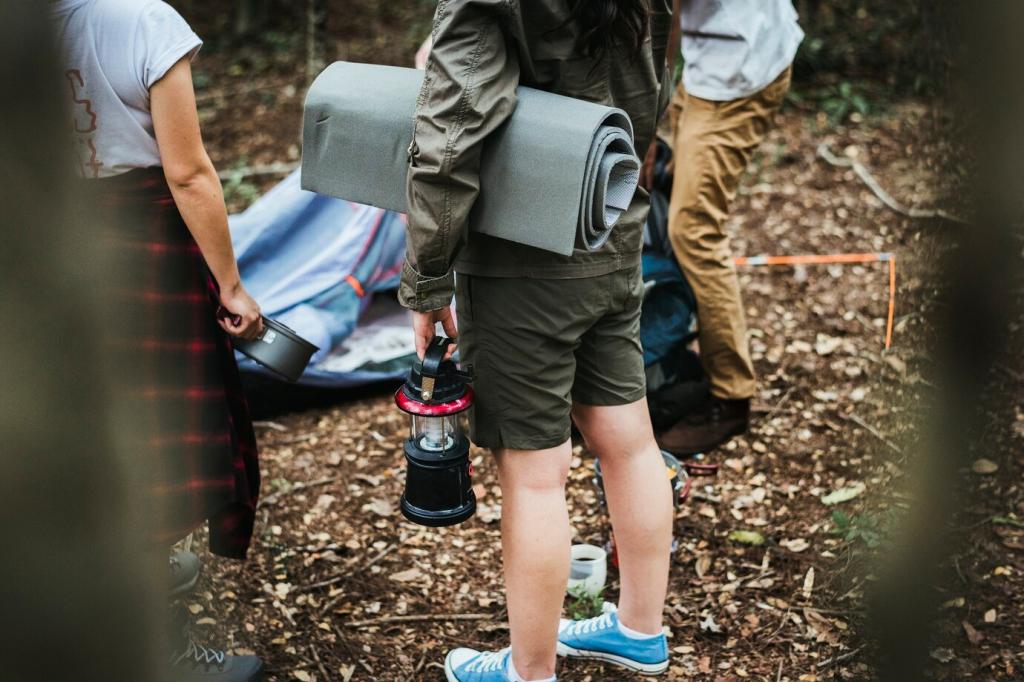

Pack Smarter, Roam Farther

Today’s randomly selected theme: Packing and Clothing for Wilderness Adventures. Explore field-tested layers, smart organization, and resilient wardrobe choices that keep you comfortable, safe, and confident off the grid. Join the conversation, share your favorite tricks, and subscribe for checklists tailored to real trail conditions.

Mastering the Layering System

Choose moisture-wicking knits that pull sweat away before chills set in. Merino blends resist odor on multi-day pushes, while synthetics dry fast in humid forests. Test weights seasonally, and tell us which fabric saved your day when a sunny ascent turned into a windy ridge traverse.

Footwear, Socks, and Happy Feet

Ankle-height boots stabilize heavy packs on talus and snow-laden routes, while trail runners shine on fast, dry miles. Consider stack height, torsional rigidity, and heel-to-toe drop. Share your go-to combo for mixed terrain, and tell us how you break in new footwear without sacrificing a precious weekend objective.

Footwear, Socks, and Happy Feet

Merino blends manage moisture and reduce odor, while nylon adds durability. A snug heel cup and light compression prevent friction. Rotate thin liners beneath cushioned socks for variable temperatures. What sock weight gets you through soggy bogs or scorching slickrock? Drop a tip and help another hiker step confidently.
Smart Packing Strategies

Place dense items close to your spine and between shoulder blades to stabilize your center of gravity. Keep lighter, compressible layers toward the top. Test loaded packs on stairs before trips. What’s your 60/40 rule for gear versus clothing? Share your setup so readers can refine their carry.

Weather-Proof Wardrobe

UPF-rated shirts, airy weaves, and a wide-brim hat keep heat manageable without constant sunscreen reapplication. Light colors reflect, vents cool, and neck gaiters shield glare. How do you manage sweat and salt crust during desert slogs? Share your electrolyte tips and sun-smart wardrobe victories.
Pair a breathable shell with brimmed headwear to keep eyes clear. Pit zips dump heat, while rain kilts or chaps ventilate better than full pants. Avoid cotton; prioritize rapid-drying synthetics. Tell us which storm tactic—poncho or full shell—won your last downpour, and subscribe for our drying-on-the-move guide.
Windproof layers over active insulation keep effort steady and sweat manageable. Mittens out-warm gloves, while vapor barriers have niche uses in deep cold. Gaiters block spindrift. What hard-earned lesson did winter teach you about layering order? Share it and help someone dodge a shivering learning curve.

Ultralight vs. Bombproof: Finding Your Balance

Materials That Matter

Ripstop nylon balances weight and longevity. Dyneema shines for tarps and stuff sacks, while softshells thrive in abrasive scrambles. Canvas is tough but heavy. Which fabric combo survived your granite playground? Tell us, and we’ll compile reader-tested material pairings worth trusting when stakes get real.

Trim or Double Up?

Carry one versatile midlayer instead of two similar pieces. But double gloves in icy rain can be a literal lifesaver. Identify true redundancies versus genuine safety backups. Share your hard-won rule for spares, and subscribe for our decision tree that resists both fear-packing and reckless minimalism.

Real-World Weight Budgets

Aim to keep worn and packed clothing around two to three kilograms for three-season trips, adjusting for altitude and precipitation. Record actual weights, not estimates. What’s your clothing weight budget and why? Post your spreadsheet screenshot or a quick list so others can benchmark intelligently.

Field-Tested Packing Lists For Different Trips

Overnight Woodland Trek

Pack a light merino base, fleece grid hoodie, wind shirt, and compact rain shell. Add cushioned hiking socks plus thin liners. Bring a beanie and light gloves for crisp mornings. Share your woodland essentials, and we’ll feature a reader list with commentary in next week’s newsletter.

Weeklong Alpine Traverse

Choose a 3-layer shell, synthetic puffy, sun hoodie, and softshell pants with vents. Double socks, include camp booties, and add storm mitts. Pack a neck gaiter and balaclava. What surprised you most above treeline—sun intensity or relentless wind? Comment so others tune their alpine wardrobe before committing.

Shoulder-Season Coastal Kayak

Prioritize dry layers in separate waterproof bags, neoprene gloves, and a windproof shell. Quick-dry base layers are non-negotiable. Pack a spare insulating layer sealed tight. Paddlers, what’s your emergency warm-up protocol when fog rolls in? Share it, and subscribe for our shoreline-ready clothing checklist and bag labeling template.

Stories Stitched Into the Trail

01

The Storm on Granite Pass

We beat the thunder by minutes, then the sky split open. A brimmed hood and sealed cuffs kept fingers nimble for camp setup. One teammate skipped gaiters, soaked within minutes. What saved you in a storm? Share your small decision that made a huge difference when the ridge went black.
02

The Blister That Never Happened

New shoes, same route, different outcome: a thin liner sock, taped hot spot, and a lunch break to air feet. Zero blisters, twelve miles. What preemptive step changed your foot health forever? Tell us, and we’ll assemble a crowd-powered blister prevention guide worth printing and packing every time.
03

The Layer You Leave at Home

We gambled by skipping a spare midlayer, and sunrise frost made coffee feel far. Lesson learned: minimalism needs context. Which layer is non-negotiable for you in shoulder season? Drop your must-have and why, then subscribe so you never miss our evolving seasonal packing recommendations.
Selinavaxo
Privacy Overview

This website uses cookies so that we can provide you with the best user experience possible. Cookie information is stored in your browser and performs functions such as recognising you when you return to our website and helping our team to understand which sections of the website you find most interesting and useful.